A pizza oven: who it suits, and who it doesn't
A dedicated pizza oven is for anyone who has tried to make a proper Neapolitan pizza in a domestic oven and been disappointed. The problem is never the recipe; it is the heat. A kitchen oven tops out around 250°C, so a pizza sits in there for eight or ten minutes, the base dries out and the crust never blisters. A pizza oven reaches roughly twice that temperature, bakes the pizza in 60 to 90 seconds, and produces the leoparded, airy crust you get in a good pizzeria. If you make pizza more than a handful of times a year, that difference is transformative, and it is the whole reason these ovens exist.
It is only fair to be honest about the trade-offs, too. A pizza oven lives outside, because at these temperatures it is an outdoor appliance, so you need a garden, a patio or a balcony with the space and the clearances to use one safely. It needs fuel, whether that is a gas bottle, wood, charcoal or an outdoor socket, and it asks for a little learning, especially the knack of launching and turning the pizza with a peel. None of that is hard, but it is real. If you only fancy pizza once a summer, a baking steel in your normal oven is the cheaper answer. For anyone who genuinely loves pizza, a proper oven earns its keep many times over.
The single most important thing: how hot it gets
Top temperature is the number that decides whether you end up with great pizza or merely good pizza, and it matters far more than the brand on the badge. For an authentic Neapolitan bake you want a stone temperature of around 450 to 500°C, which cooks a thin base in about a minute and gives you that puffed, charred edge. The ovens in this comparison fall into two camps:
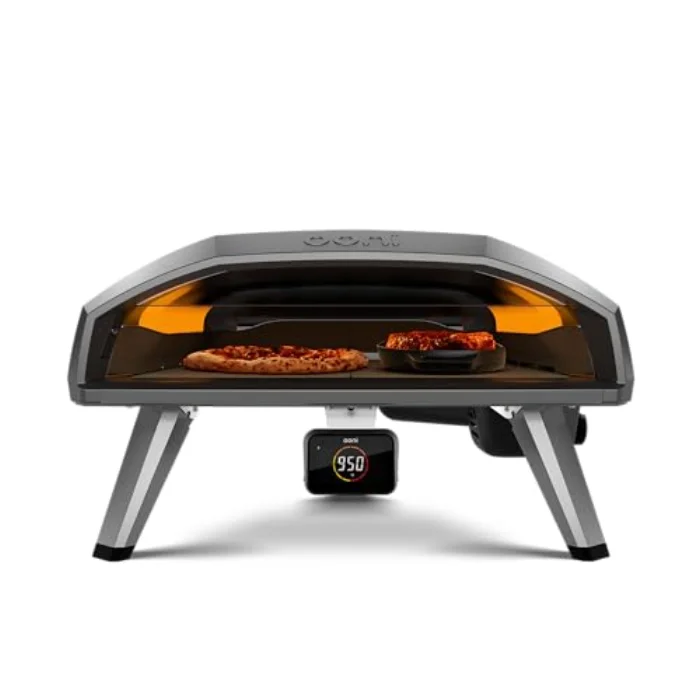
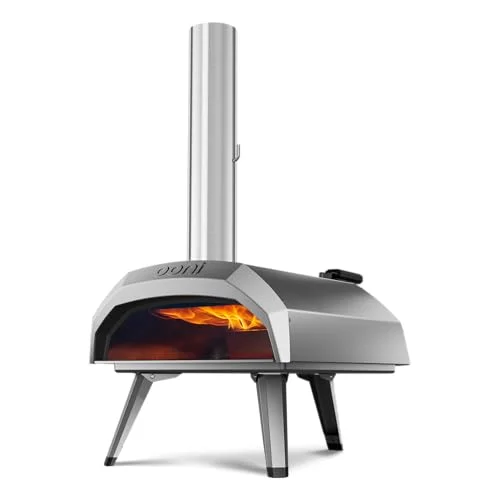
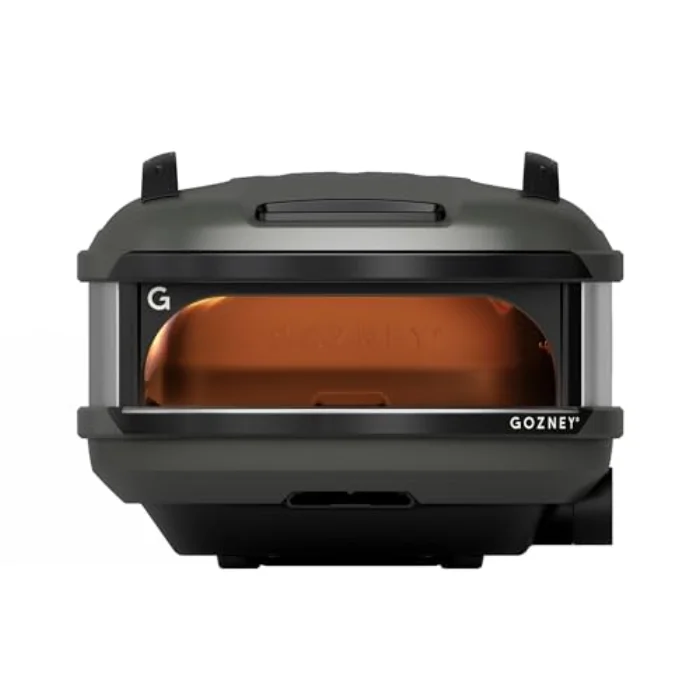
- The 500°C specialists (such as the Ooni Koda 16, Ooni Karu 12 and Gozney Roccbox): a true 60-second Neapolitan bake with maximum blistering.
- The lower-temperature all-rounders (such as the Ninja Woodfire at around 370°C): excellent pizza that simply takes a couple of minutes longer, and is more forgiving while you learn.
Crucially, hotter is not automatically better for everyone. A 500°C oven is unforgiving: leave a pizza in for fifteen seconds too long and it burns. A slightly cooler oven gives you more margin for error, which is exactly why we recommend one to beginners. Our guide to the right pizza oven temperature walks through what each temperature band actually means for your bake, and how to tell when the stone is ready.
Gas, wood or electric: which fuel is right for you
Fuel is the choice that shapes your whole pizza experience, and there is no single right answer, only the right answer for you. Gas is the easiest and most reliable: you turn a dial, the heat is steady and predictable, and there is no fire to light or feed. It is why the gas Ooni Koda 16 is our pick for most people. Wood and charcoal, as in the Ooni Karu 12, reward you with genuine woodsmoke flavour and live-fire char that gas cannot reproduce, at the cost of more effort and a learning curve. Electric ovens with a pellet smoke box, like the Ninja Woodfire, split the difference cleverly: mains-powered convenience with a hint of real smoke. If you genuinely cannot decide, a multi-fuel oven lets you have both. We weigh it all up in our guide to gas vs wood-fired pizza ovens.
Size: 12 inch or 16 inch?
Most portable pizza ovens take a 12-inch pizza, which is the right size for one cook feeding a couple of people a pizza at a time. That covers the great majority of buyers, and a 12-inch oven is cheaper, lighter and quicker to heat. Step up to a 16-inch chamber, as in the Ooni Koda 16 or the Everdure Kiln R, only if you regularly cook full-size pizzas for a family or a crowd and would rather not trim every base to fit. The extra room is genuinely useful for big pies and for turning the pizza comfortably, but it also needs more patio space, more fuel and a little longer to reach temperature. As with everything here, match the size to how you actually cook rather than to the biggest number on the spec sheet.
The skill no spec sheet mentions: launching and turning
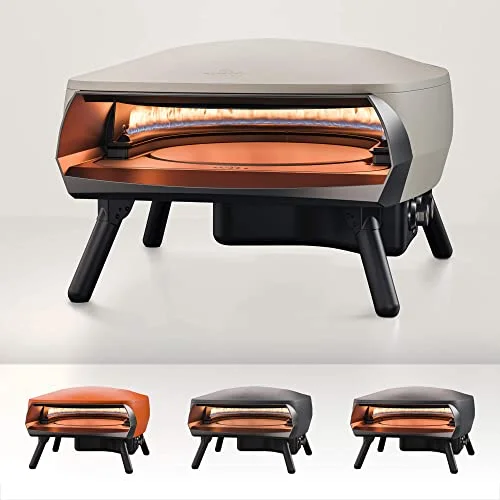
Here is the honest truth that the marketing skips over: the oven is only half the equation. The other half is learning to launch a raw pizza off a peel cleanly and to turn it as it bakes so it cooks evenly. This is the part that trips up first-time owners, not the machine. The good news is that it is a skill anyone can pick up in a session or two, and a little semolina on the peel plus a fully preheated stone solves most early problems. The other piece of good news is that one oven removes the hardest part of the job entirely: the Witt Etna Rotante has a motorised rotating stone that turns the pizza for you, which is exactly why it is our pick for complete beginners. If you want more hand-holding before your first bake, our guide for beginners covers the common mistakes and how to avoid them.
How we chose these six
We deliberately picked ovens that cover the full range of real needs rather than six near-identical gas boxes. There is a do-it-all gas oven, a value-led electric multi-cooker, a budget wood-fired oven, a premium build, a beginner-friendly rotating model and a large-format oven for big pizzas. Every model here is from a brand that is genuinely available and supported in the UK, and each one earns its spot for a specific buyer, with no padding. If you start by deciding your fuel and your size, you will find your oven on this list. Our full buying guide covers the rest: the accessories that are worth buying, the ones that are not, and how to get the most out of whichever oven you choose.