Temperature comes first
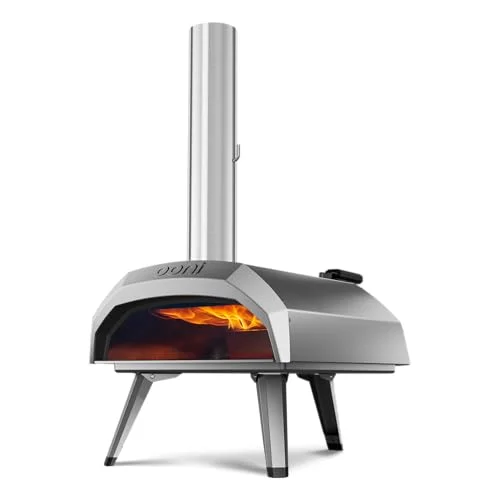
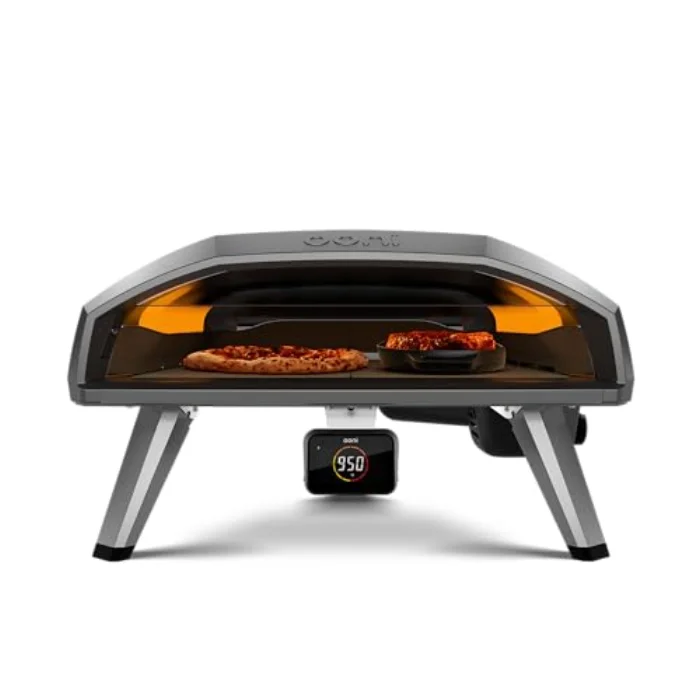
The whole reason a pizza oven exists is heat. A kitchen oven tops out around 250°C; a pizza oven reaches roughly twice that, and that difference is what gives you a 60-second bake and a blistered, airy crust instead of a slow, dried-out one. So make top temperature your first filter. For an authentic Neapolitan-style pizza you want a stone that reaches 450 to 500°C. The 500°C ovens, such as the Ooni Koda 16 and the Ooni Karu 12, give you the fastest, most blistered bake. Lower-temperature ovens around 350 to 400°C, like the Ninja Woodfire, still make excellent pizza, they just take a couple of minutes longer and are more forgiving while you learn. Our guide to the right pizza oven temperature covers this in full.
Choosing your fuel
Fuel shapes your whole experience, and there is no single best answer. Gas is the easiest and most reliable: turn a dial, get steady heat, no fire to manage. It is the right choice for most people and for beginners. Wood and charcoal give you genuine woodsmoke flavour and live-fire char that gas cannot reproduce, in exchange for more effort and a learning curve. Electric ovens with a pellet smoke box, like the Ninja Woodfire, offer mains-powered convenience with a hint of real smoke. And multi-fuel ovens, such as the Ooni Karu 12, let you switch between wood and an optional gas burner so you can have both. If convenience matters most, choose gas; if flavour is the point, choose wood; if you want flexibility, choose multi-fuel. Our gas vs wood-fired guide weighs it up in detail.
Size and capacity
Most portable ovens take a 12-inch pizza, which is plenty for one cook feeding a couple of people at a time. A 12-inch oven is cheaper, lighter and quicker to heat, and it suits the majority of buyers. Step up to a 16-inch chamber, as in the Ooni Koda 16 or the Everdure Kiln R, only if you regularly cook full-size pizzas for a family or a crowd and would rather not trim every base. The larger chamber is genuinely useful for big pies and easier to turn the pizza in, but it needs more patio space, more fuel and a little longer to preheat. Match the size to how you actually cook, not to the biggest number on the box.
Accessories worth buying, and the ones to skip
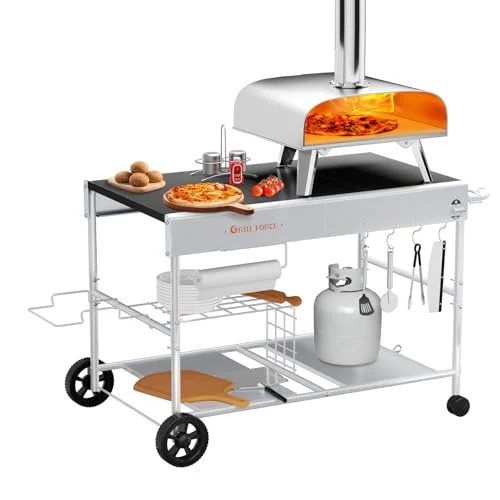
Two accessories are genuinely essential rather than optional. A good pizza peel is non-negotiable: you cannot launch or turn a pizza without one, and a turning peel, the small round kind, makes an even bake far easier than wrestling a large launching peel. The next best buy is an infrared thermometer, which tells you exactly when the stone is at temperature so you stop guessing about preheat. Those two transform your results. Beyond them, most accessories, covers, tables, fancy launching boards, are nice-to-have rather than need-to-have. Spend on the peel and the thermometer first; add the rest only when you know you want it.
Our advice in one paragraph
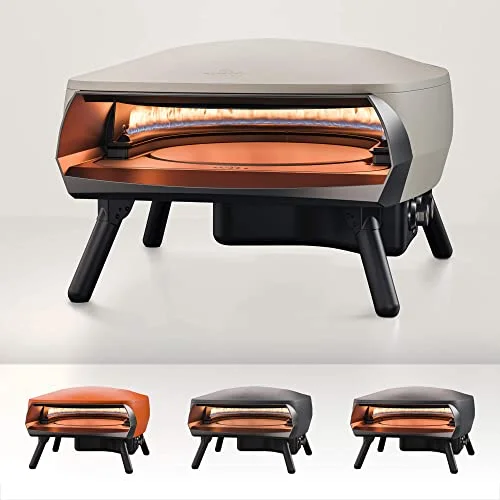
Decide your temperature, your fuel and your size, in that order, and the right oven becomes obvious. For most people that points to the gas, 500°C, 16-inch Ooni Koda 16, our best overall pick. If value and versatility matter more, the Ninja Woodfire is the smart buy; if you want authentic wood-fired flavour for less, the Ooni Karu 12; and if you are a complete beginner, the rotating-stone Witt Etna Rotante. Whatever you choose, budget for a peel and an infrared thermometer, get the oven properly hot before the first pizza goes in, and read our guide for beginners to avoid the common first-timer mistakes. To see how we reach our verdicts, visit our how we test page.